Practical guide · Lisbon
Is Lisbon safe? Pickpockets, trams, nights out, Atlantic beaches and how to report a theft (2026)
Lisbon is generally safe for visitors, and the realistic risk is pickpocketing on crowded trams, in the metro and in the historic centre. What the UK and US governments and Portugal's annual security report say, Atlantic beach currents, kids, nights out and how to report a theft.
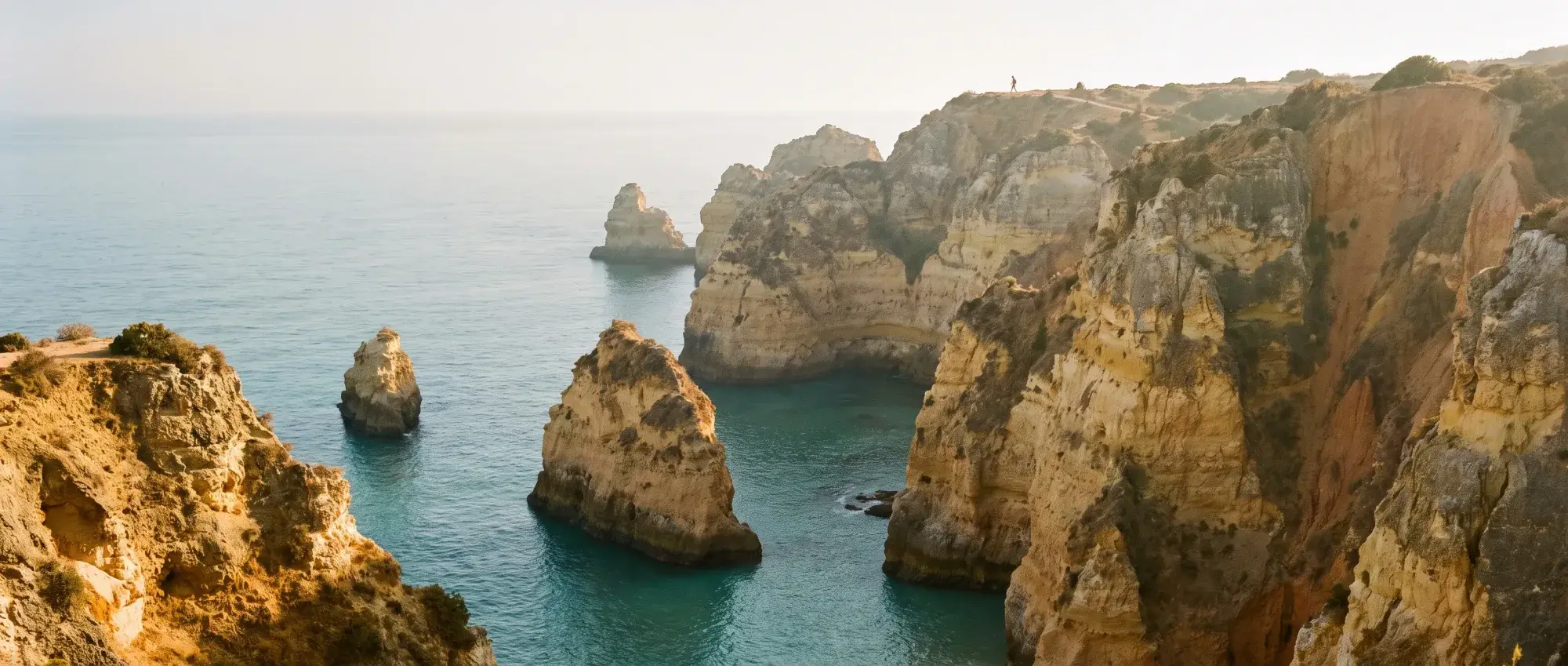
Short answer: yes. Lisbon is a safe city for visitors, and Portugal is one of the most peaceful countries in the world by the Global Peace Index (7th of 163 in 2026) [4]. The US gives Portugal its lowest advisory level, Level 1, and says the thing to watch is petty theft in crowded tourist areas and on public transport [2]. That matches Portugal’s own figures: pickpocketing is concentrated in Lisbon and Porto, on transport and in the historic centres [3]. Keep your phone and wallet close on trams and the metro, follow the flags at the beach, and save 112 in your phone.
Checked on 11 October 2026. Sources are the UK and US governments, Portugal’s annual internal security report and Portuguese public bodies. Travel advice changes; read the current version before you go.
What the official sources say
| Source | What it says | Date |
|---|---|---|
| US State Department | Portugal: Level 1, exercise normal precautions. “Generally a safe destination”; watch for petty theft in crowded tourist areas and on public transport [2] | 22 Dec 2025 |
| UK government (FCDO) | Be alert to street crime; take care on public transport and at crowded bus and tram stops; thieves use distraction and often work in teams [1] | Page updated 11 Aug 2026 |
| Portugal’s internal security report (RASI 2025) | Violent and serious crime down 1.6% in 2025. Pickpocketing 7,443 reported cases nationwide, up 7.7% [3] | Published 31 Mar 2026 |
| Global Peace Index 2026 | Portugal 7th of 163 countries (Spain 27th) [4] | June 2026 |
The Global Peace Index measures a whole country, including conflict and militarisation, so it is context rather than a city crime rate.
Pickpockets: where and how
Portugal’s security report describes pickpocketing as typical opportunistic crime in big cities and tourist destinations, mostly on public transport, in historic and tourist areas, at big events and in hotels and restaurants. The Lisbon district accounts for 46% of reported cases, three quarters of them in the city of Lisbon itself, and July and December recorded the most cases in 2025 [3]. The report says the thieves often work in organised groups: one creates a distraction or blocks your way, and the phone or wallet is passed quickly to someone else [3].
What that means in practice:
- On trams, buses and the metro, and while waiting at a crowded stop, take care: that is where the UK government says to be alert [1]. We keep phones in a front pocket or a zipped bag, with the bag in front. Tickets and routes: getting around Lisbon; tram 28 and how to ride it for less: things to do in Lisbon.
- When someone crowds you or blocks your way, put a hand on your phone: distraction and blocking are the methods the report describes [3].
- Do not carry all your valuables in one place, and keep a copy of your passport’s photo page somewhere safe [1].
- If your cards are taken, block them at once. The report also identifies fraudulent use of bank cards stolen from victims [3].
At night
The UK government’s advice for Portugal is clear and not alarming: attacks, including sexual assaults, are rare but do occur, and the risk is highest late at night around popular nightlife locations [1]. Its advice:
- Stay with your friends and do not let anyone walk back to their accommodation alone. Set up a group chat.
- Buy your own drinks and keep them in sight; it warns of drink spiking, and says drinks in Portugal are often stronger than in the UK.
- Do not go off with people you do not know.
- Save your accommodation’s location on your phone’s map, or take a photo of its name and address.
Gambling is legal only in licensed venues such as official casinos, and the penalties for drugs, including cannabis, are severe [1].
Beaches and the Atlantic
Lisbon has no beaches in the city itself; most visitors swim on the Cascais line or at Costa da Caparica. The Atlantic is the part of a Lisbon trip that deserves respect. The UK government says people drown in the sea and in pools in Portugal every year, that some beaches have a strong undertow, and what to do in a rip current: do not swim against it, swim parallel to the shore until you no longer feel it, then head back in [1].
- Flags: red means do not go in; yellow means paddle at the water’s edge only [1].
- Carcavelos, the big surf beach on the Cascais line, can have strong currents: in July 2025 the Maritime Authority reported four swimmers dragged by currents there and brought ashore by lifeguards; one of them died in hospital [7]. Swim between the flags, with lifeguards on duty.
- Guincho, beyond Cascais, is described by the municipality as a beach of strong waves and winds, used for windsurfing and international competitions [8]. Go to watch the kitesurfers; with children, choose a sheltered beach.
- Outside the lifeguard season, take extra care and do not count on anyone watching the water [1]. Lifeguard dates and calmer beaches for children: Lisbon’s best beaches.
Theft on the sand works the same as in town: do not leave phones and bags alone while you swim.
With children
Families visit Lisbon all the time, and the official advice for them is mostly about water [1]:
- Keep small children within arm’s reach in and around pools, even if they can swim and a lifeguard is present, and be especially watchful at a villa with a private pool.
- On the beach, do not walk close to the water’s edge on unsupervised stretches: waves can be unpredictable.
- For illness or an injury, call 112 in an emergency; otherwise SNS 24 on 808 24 24 24 [6]. Children’s emergency departments in Lisbon and Cascais: healthcare in Portugal for travellers.
What to do with children, and where to stay: Lisbon with kids and where to stay in Lisbon.
Solo travellers, including women
The official sources we used give no advice specific to women or solo travellers in Lisbon, so we only pass on the general advice: the night-out points above, keep someone informed of your plans, and call 112 in an emergency [1]. For day trips, the UK government adds that Portugal has a higher risk of wildfires from April to October, when roads and areas can be closed [1]; check conditions before you set off. The Sintra hills, a common day trip: Sintra day trip from Lisbon.
The UK government also lists earthquakes as a risk in Portugal and links to the national met office (IPMA) for information [1]. It is background, not a reason to change plans.
If something is stolen
- In an emergency, or if the thief is still nearby: call 112 [1][5].
- In Lisbon: report it to the PSP, the police force for cities (the GNR covers smaller towns and rural areas) [1]. Lisbon’s tourism office lists a PSP tourism police station at Praça dos Restauradores, phone 213 421 623, open 10:00 to 18:00, and a contact at Santa Apolónia station [6]. Check the current hours before you go.
- Online: Portugal’s Queixa Eletrónica system takes complaints about listed crimes, including theft, from Portuguese and foreign nationals who are in Portugal. It is not for emergencies, and a complaint is only forwarded to the police once your identity is confirmed [5]. Because your identity has to be confirmed first, a station visit is often the simpler route for a visitor.
- Ask for a copy of the report for your insurer, and block cards and your phone straight away.
- Passport stolen? Contact your embassy or consulate for an emergency travel document.
Insurance
The EHIC or UK GHIC only covers public healthcare. Before you travel, check whether your travel insurance covers theft, and what evidence and reporting deadline it requires after one; a police report is the usual starting point. What the EHIC covers in Portugal: healthcare in Portugal for travellers. For a longer stay: insurance for digital nomads in Portugal.
What we would do
Enjoy the city and keep your phone close on the tram: that is most of Lisbon’s safety advice. At the beach, swim where the lifeguards are and follow the beach flags. More for planning: Lisbon and the best time to visit Lisbon.
Sources
- GOV.UK (FCDO): Portugal travel advice, safety and security, updated 11 August 2026, accessed 11 October 2026.
- US Department of State: Portugal travel advisory, Level 1, 22 December 2025, accessed 11 October 2026.
- Portuguese Government: RASI 2025, annual internal security report (PDF), published 31 March 2026, accessed 11 October 2026.
- Institute for Economics & Peace: Global Peace Index 2026 (PDF), accessed 11 October 2026.
- MAI: Sistema Queixa Eletrónica, accessed 11 October 2026.
- Visit Lisboa: Traveller information, useful contacts, accessed 11 October 2026.
- Autoridade Marítima Nacional: four people rescued at Carcavelos, 15 July 2025, accessed 11 October 2026.
- Câmara Municipal de Cascais: Praia do Guincho, accessed 11 October 2026.
Source references
- GOV.UK (FCDO): Portugal travel advice, safety and security (street crime, public transport and tram stops, distraction, PSP and GNR, nightlife, drink spiking, beaches and rip currents, flags, wildfires, earthquakes), page updated 11 Aug 2026 · accessed
- US Department of State: Portugal travel advisory, Level 1 Exercise Normal Precautions ('generally a safe destination'; petty theft in crowded tourist areas and on public transport), issued 22 Dec 2025; read through the State Department's official travel-advisory data feed (cadataapi.state.gov) · accessed
- Portuguese Government: RASI 2025, Relatório Anual de Segurança Interna (PDF, published 31 Mar 2026; pickpocket thefts 7,443 in 2025, +7.7%; Lisbon district 46%, Lisbon municipality 74% of the district; peaks in July and December; violent and serious crime -1.6%) · accessed
- Institute for Economics & Peace: Global Peace Index 2026 (PDF; 163 countries; Portugal 7th, Spain 27th) · accessed
- Ministério da Administração Interna: Sistema Queixa Eletrónica (complaints to GNR or PSP for listed crimes incl. theft; open to Portuguese and foreign nationals present in Portugal; forwarded after identity is confirmed; not for emergencies, call 112) · accessed
- Visit Lisboa (Turismo de Lisboa): Traveller information, useful contacts (112; SNS 24 808 24 24 24; Police Tourism Station PSP, Praça dos Restauradores, 213 421 623, 10:00–18:00) · accessed
- Autoridade Marítima Nacional, 15 Jul 2025: Resgatadas quatro pessoas em dificuldades na praia de Carcavelos (four swimmers dragged by currents brought ashore by lifeguards; one, aged 17, died in hospital) · accessed
- Câmara Municipal de Cascais: Praia do Guincho (strong waves and winds; supervised and signposted beach) · accessed
Quick answers
Is Lisbon safe for tourists?
Yes. The US rates Portugal Level 1, 'exercise normal precautions', the lowest level, and calls it generally a safe destination, while asking travellers to watch for petty theft in crowded tourist areas and on public transport [2]. Portugal ranks 7th of 163 countries in the Global Peace Index 2026 [4].
Are there pickpockets in Lisbon?
Yes, it is the main thing to watch for. Portugal's internal security report counted 7,443 reported pickpocket thefts nationwide in 2025, 46% of them in the Lisbon district, mostly on public transport, in historic and tourist areas, at big events and in hotels and restaurants [3]. The UK government says to take care on public transport and at crowded bus and tram stops [1].
Is Lisbon safe at night?
Generally yes. The UK government says attacks, including sexual assaults, are rare but do occur, and that the risk is highest late at night around popular nightlife areas. Stay with your friends, do not let anyone walk home alone, and keep your drink in sight [1].
How do I report a theft in Lisbon?
At a PSP police station. Lisbon's tourism office lists a PSP tourism police station at Praça dos Restauradores, phone 213 421 623 [6]. Portugal's online complaint system (Queixa Eletrónica) accepts reports of theft from foreigners present in Portugal, but only forwards them once your identity is confirmed [5]. In an emergency call 112.
Are Lisbon's beaches safe for swimming?
The Atlantic beaches near Lisbon can have strong currents, even when lifeguards are on duty. Follow the flags (red: do not go in; yellow: paddle at the edge only), swim in the supervised zone, and if a rip current pulls you, swim parallel to the shore, not against it [1]. Guincho is a wind and surf beach with strong waves [8].
Is Lisbon safe for families and solo travellers?
Yes, with the usual city care. For families the official advice is mostly about water: supervise children at pools and on the beach. Solo travellers get the same night-out advice as everyone: keep in touch with someone, buy your own drinks and save your accommodation's address [1].